Effective July 1, 2026, Texas will fundamentally reshape how mobile food vendors are licensed and regulated. With the passage of House Bill 2844 (HB 2844), Texas is moving toward a more unified, streamlined system, reducing local barriers while maintaining critical public health standards.
For food truck operators and municipal governments alike, this is a significant shift.
At TexasPHS, we are positioned to help both sides navigate this transition with clarity, compliance, and efficiency.
What HB 2844 Changes
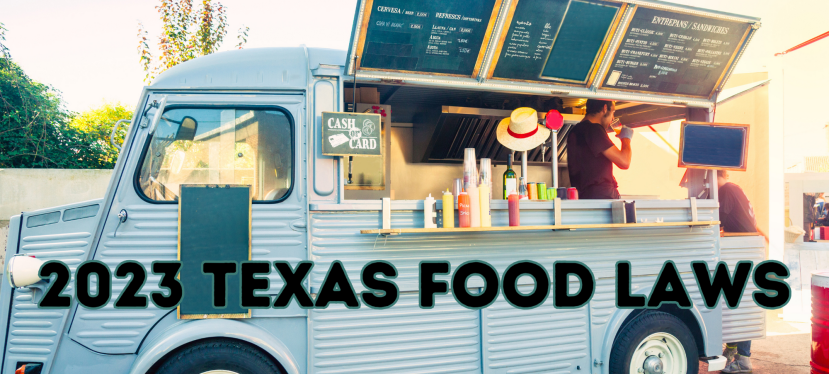
HB 2844 establishes a statewide licensing framework for mobile food vendors, replacing the historically fragmented system of city-by-city permitting.
Key provisions include:
1. Statewide Mobile Food Vendor License
Beginning July 1, 2026, all mobile food vendors must obtain a state-issued license through the Texas Department of State Health Services (DSHS).
- One license per vehicle
- Annual renewal required
- Mandatory health inspection prior to approval
Once licensed, vendors cannot be prohibited from operating by local jurisdictions, provided they comply with applicable laws.
2. Limits on Local Regulation
HB 2844 significantly restricts local authority:
- Cities cannot impose additional permitting requirements or fees that conflict with state law
- Restrictions on operations (such as proximity rules or unnecessary agreements with restaurants) are limited
- Duplicate inspections are largely eliminated unless tied to public health concerns
This creates consistency across Texas, but also requires municipalities to rethink their regulatory frameworks.
3. Risk-Based Inspection System
The law introduces three vendor classifications based on food risk:
- Type I – Prepackaged / low-risk foods
- Type II – Limited preparation
- Type III – Full cooking and food handling
Inspection frequency and requirements scale accordingly.
4. Continued Health and Safety Standards
While licensing becomes centralized, food safety requirements remain unchanged and critical.
Mobile food units must still comply with Texas Food Establishment Rules (TFER), including:
- Proper water systems (potable and wastewater)
- Temperature control for food safety
- Handwashing and warewashing facilities
- Use of a Central Preparation Facility (CPF) for servicing and sanitation
These operational requirements are detailed in DSHS guidance and remain the backbone of compliance.
Where TexasPHS Helps – Both For Operators & Jurisdictions
TexasPHS works directly with food truck operators to:
- Navigate the state licensing application process
- Prepare for and pass health inspections
- Ensure compliance with TFER requirements
- Establish or validate Central Preparation Facility (CPF) relationships
- Conduct pre-inspection audits to reduce risk of failure
In short, we help operators get open faster and stay open longer.
For cities, counties, and public health districts, HB 2844 introduces a new challenge: They no longer control permitting – but they still carry responsibility for public health. TexasPHS can help implement ordinance language, enforce zoning laws, and maintain enforceable public health protections. The Department of State Health Services cannot look after every food truck throughout the great state of Texas. TexasPHS provides a boots-on-the-ground local response and is always responsive.
Email texasphs@gmail.com for details.