
This proposed bill did not become law. HB 598 was referred to Business & Industry on 3/1/21.
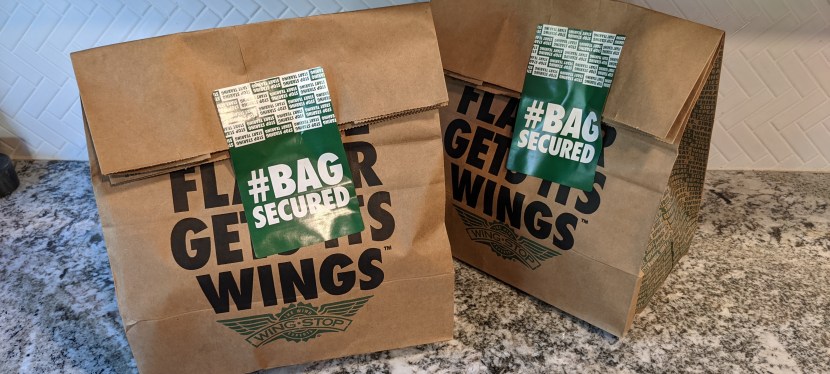
This was the first bill of its kind in Texas to address third-party food delivery services such as DoorDash and Uber Eats. The bill would have imposed the following restrictions on fees, if passed:
- A delivery fee of no more than 15% of the price of an order; OR
- A fee other than a delivery fee in an amount that is more than 5% of the price of an order
TexasPHS still stands by our initial Hot Take: This bill was way too weak on so many levels. Lawmakers should pass food safety and sanitation mandates for third-party delivery services, such as AB-3336.
2.) SB 617 and HB 1652 – Relating to the regulation of certain direct sales of food to consumers and a limitation on the fee amount for certain permits.
SB 617 was signed by Governor Greg Abbott on 6/14/21 and became effective immediately. HB 1652 was left pending in committee on 4/28/21 due to the fact that the proposed House bill was identical to the Senate bill.
This Senate bill succeeded in strengthening the food freedom rights of farmers and other food producers who sell food directly to consumers. SB 617 also addresses governmental entities who overcharge farmers and other food producers. The concerns voiced by small, independent farmers were further addressed after SB 932 was passed in 2019.
TexasPHS still stands by our initial Hot Take: The term “farmers market” is vague and interpretive and municipal governments tend to regulate farmers and small food producers too harshly.
3.) HB 1276 – Relating to the sale of certain food by food service establishments.
HB 1276 was signed by Governor Abbott on 6/4/21 and became effective immediately.
HB 1276 allows a restaurant to operate as a grocery store. A restaurant or other food service establishment may now sell unprepared foods directly to a consumer as long as food safety guidelines are met. For example, a restaurant may sell a patron a raw beef brisket received from its supplier as long as the brisket is in its original packaging and bears an official mark from the USDA.
TexasPHS’ Hot Take did not change: Absolutely! Anything to help restaurants and Main Street. The passing of HB 1024 on 5/12/21, relating to the pickup and delivery of alcoholic beverages for off-premises consumption, also helped tremendously.
4.) HB 464 – Relating to food allergen awareness in food service establishments.
This proposed House bill was placed on the general state calendar on 5/12/21. HB 464 is not yet a law.
This proposed bill creates a mandate for restaurants and other food service establishments to display information about food allergen awareness to employees. HB 464 seeks to improve the level of communication between customers with food allergies and the establishment’s staff concerning food allergens.
TexasPHS’ Hot Take stands: Posting an educational poster about food allergen awareness in a back hallway is not going to make a difference. Consistent and persistent food safety training from management is much better.
HB 1686 didn’t go anywhere. The proposed bill was referred to local government on 5/14/21.
This proposed bill sought to strengthen the food freedom rights of persons on a single-family residential lot. If passed, a municipality or a property owners’ association would not have been able to prohibit the following activities on a single-family residential lot:
- Growing fruits and veggies
- The keeping or raising of domestic fowl, rabbits, or beehives
- A cottage food production operation
TexasPHS changed its Hot Take: We initially said, “All good. Common sense regulation.” However, on second thought, this is probably best dealt with at the local level.
HB 928 didn’t go anywhere either. The pandemic, Winter Storm Uri, ERCOT, and other more pressing agenda items must have forced catfish regulation to the side. The committee report for HB 1686 was printed and distributed on 5/22/21, and then nothing else happened.
This proposed bill would have defined what a catfish is and provided administrative penalties to restaurants and other food service establishments that lie about selling catfish.
TexasPHS slightly alters its Hot Take: Restaurants still should be penalized for marketing the sale of catfish when the establishment is really selling swai. However, the Texas Food Establishment Rules already address this.
 TEXAS PUBLIC HEALTH SOLUTIONS
Great overview. Where did you get your research from?
LikeLike
Thanks for reading, Shane! Go to capitol.texas.gov. You’ll find so much great info there.
LikeLike