
What are Nonpharmaceutical Interventions and how can they help combat a coronavirus pandemic?
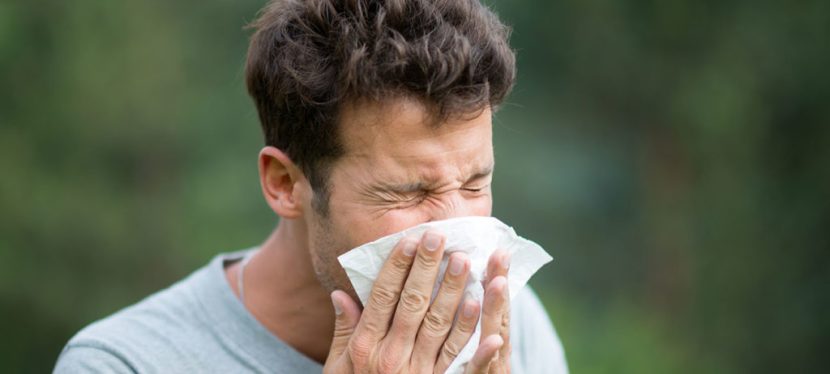
Simply put, Nonpharmaceutical Interventions, or NPIs for short, are personal protective measures such as covering coughs and sneezes, community measures such as temporarily closing schools, and environmental measures such as cleaning frequently touched surfaces and objects.
Nonpharmaceutical Interventions (now referred to as NPIs from this point forward) are definitive actions, apart from getting vaccinated and taking medicine, which people and communities can take to help slow the spread of respiratory illnesses like coronavirus or the flu.
The CDC even has a whole website dedicated to NPIs.
Journalists have offered multitude opinions on how best to protect yourself and your family from a coronavirus outbreak, but TexasPHS thought that we would take a different approach to educate our readers on a possible coronavirus pandemic — via a quiz.
Take the quiz below to expand your knowledge on NPIs and how these intervention strategies can be used to slow the spread of a coronavirus pandemic.**
- Which of the following is the best definition of Nonpharmaceutical Interventions (NPIs)?
- A) Actions, apart from getting vaccinated and taking medicine, which help slow the spread of contagious illnesses like coronavirus.
- B) Measures that control disease outbreaks of any infectious origin.
- C) Ways to isolate and quarantine individuals and communities during a coronavirus pandemic.
- D) An all-hazards approach to protecting people and communities.
- NPIs are important because
- A) they are good everyday habits that make people healthier and safer.
- B) they make vaccines and antivirals more effective.
- C) they keep people apart so a community can continue to function as normally as possible.
- D) they can help slow the spread of a coronavirus pandemic, allowing more time to develop and distribute effective vaccines and antivirals.
- NPIs that should regularly be promoted all the time include
- A) voluntary home isolation (staying home when sick), voluntary home quarantine, proper use of facemasks.
- B) hand hygiene, respiratory etiquette, proper use of facemasks.
- C) voluntary home isolation (staying home when sick), respiratory etiquette, and hand hygiene.
- D) cleaning and disinfecting surfaces, proper use of facemasks, and respiratory etiquette.
- Why are facemask use and voluntary home quarantine only recommended during a pandemic coronavirus outbreak?
- A) They are the most effective of all the personal NPIs.
- B) There are more challenges involved in implementing these NPIs.
- C) Pandemics can only be controlled when these NPIs are combined with all of the other personal NPIs.
- D) These personal NPIs put citizens at greater risk if they choose to implement them when a pandemic coronavirus outbreak has not yet reached their community.
- Which of the following is the most comprehensive list of targeted settings for implementing community NPI measures?
- A) Events, concerts, churches, daycares, schools, airports
- B) Mass gatherings, schools, childcare facilities, workplaces
- C) Schools, childcare facilities, restaurants, airports, churches
- D) Workplaces, colleges, nursing homes, stores, childcare facilities
- The CDC may recommend the following community social distancing measures during a flu or coronavirus pandemic:
- A) Encouraging people to maintain a distance of 10 feet between themselves and others to protect themselves from the airborne spread of pandemic coronaviruses.
- B) Closing schools, childcare facilities, workplaces, government buildings, and public events until the pandemic subsides.
- C) Canceling or postponing mass gatherings, promoting teleworking, remote meetings, and web-based classes and closing schools or seating children at least 6 feet apart.
- D) Quarantining school children, workers, or public event participants as soon as a pandemic coronavirus strain is discovered in the community.
- Environmental surface measures include the following:
- A) Cleaning rooms using a 4-step cleaning method including air deodorizers and fumigation.
- B) Spraying down toys, doorknobs, computers, and other commonly touched surfaces with specialized disinfectants that include at least a 60% mix of chlorine bleach and ammonia.
- C) Regularly cleaning toys, doorknobs, computers, and other commonly touched surfaces with soap (or detergent) and warm water.
- D) Cleaning dirt, germs, and impurities from surfaces or objects using antibacterial cleansers.
- When planning for a pandemic, including stakeholders from childcare facilities, K-12 schools, universities, major businesses in the area, churches, event planners at major venues, and nursing homes is important because __________________________.
- A) They could be highly affected by NPI implementation.
- B) They will make all the decisions about how to implement NPIs.
- C) They will not comply with public health recommendations if they do not participate in writing the plan.
- D) They will decide if a pandemic is a serious threat within the community.
- NPI measures are more likely to be implemented if citizens
- A) are regularly drilled on the community pandemic response plan.
- B) know how to diagnose the signs and symptoms of a coronavirus pandemic.
- C) are prepared, perceive the same level of pandemic severity as decision makers, and believe NPIs will be effective.
- D) have been through a pandemic in the past where NPIs were implemented.
- To recommend rapid action and to minimize the impact of a pandemic coronavirus, the following data are important to monitor:
- A) 122 Cities Mortality Reporting System (CMRS)
- B) Influenza Hospitalization Surveillance Network (FluSurv-NET) and Outpatient ILI Surveillance Network (ILINet)
- C) Case fatality ratios, case hospitalization ratios, community attack rates, and school and workplace absenteeism rates
- D) State epidemiologists’ reports
Answer Key
- A
- D
- C
- B
- B
- C
- C
- A
- C
- C
**Source: The CDC’s Training and Continuing Education Online (TCEO) in partnership with TexasPHS
Other Helpful Links:
The hope of Texas Public Health Solutions is that you learned a little bit more about the interventions developed by the CDC to slow the spread of pandemic respiratory illnesses such as the coronavirus and the flu.
Types of Nonpharmaceutical Intervention (NPI) Measures
|
Type of NPI |
Specific NPI Measures | Timing |
| Personal | Personal NPI measures
|
Recommended at all times |
Additional NPI measures
|
Should be considered during a coronavirus and flu pandemic | |
| Community | School closures (temporary closure of childcare facilities and K-12 schools)
Social distancing measures
Social Distancing Measures
|
Should be considered during a coronavirus and flu pandemic |
| Environmental | Regularly clean frequently touched surfaces and objects in homes, childcare facilities, schools, workplaces, and other places where people gather | Recommended at all times |
 TEXAS PUBLIC HEALTH SOLUTIONS
Thanks for the informative quiz about coronavirus! Do you know how long this virus can live on a surface by any chance?
LikeLike
Thank you for visiting TexasPHS! We’re happy you enjoyed our blog post. Most researchers are estimating that a coronavirus can live on a hard surface for 2-8 hours.
LikeLike