The 86th Texas Legislative Session is underway and there are several food-related bills that have the potential to dramatically alter the foodie landscape in the Lone Star State. The most important proposed food-related bills are as follows:

Industry Leading Expertise in Environmental Health Inspections
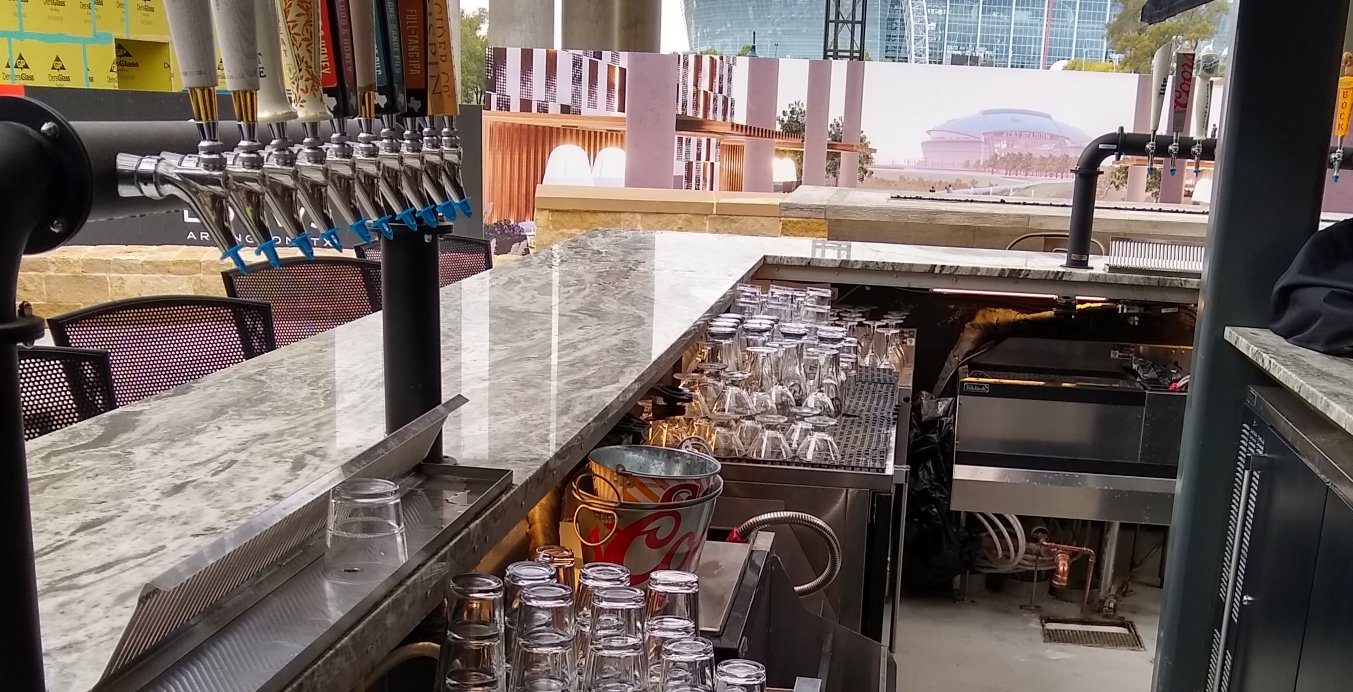

The 86th Texas Legislative Session is underway and there are several food-related bills that have the potential to dramatically alter the foodie landscape in the Lone Star State. The most important proposed food-related bills are as follows:
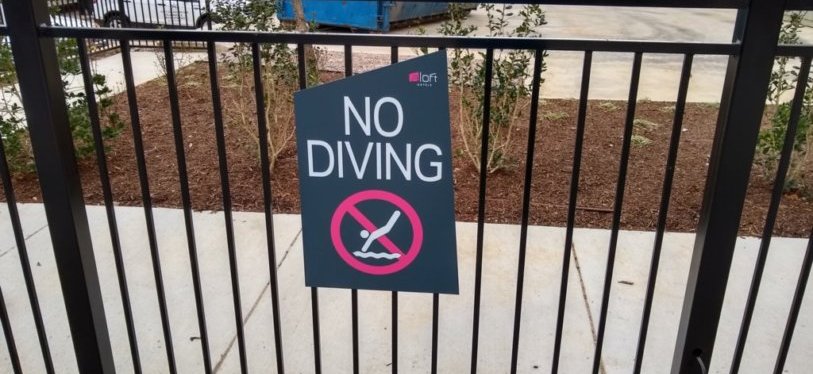
Swimming pool regulations and codes are developed by government agencies to make sure that recreational water facilities, such as pools, water parks, and splash pads, provide a clean, healthy, and safe environment for the public. These regulations set minimum standards to decrease the public’s risk of illness and injury. To ensure that these regulations are followed, state and local officials regularly inspect treated recreational water venues.
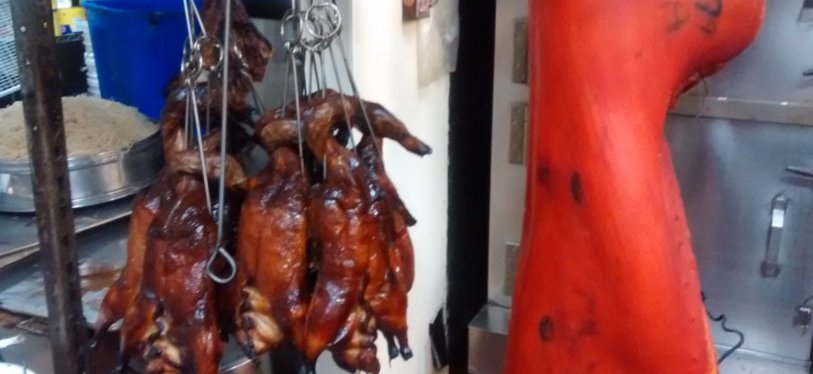
Registered sanitarians are public health professionals qualified by specialized education and field experience to protect the safety, health, and general welfare of Texans. Registered sanitarians go by many names, including environmental health specialist and the “dreaded” health inspector. Sanitarians work with restaurateurs to evaluate and improve food safety standards. They trap mosquitoes from April to November to get tested for diseases like West Nile Virus and St. Louis Encephalitis. They are present behind the scenes at sporting events, concerts, festivals, and farmers markets.

On December 6, 2018, two journalists with the Austin-American Statesman revealed their findings after a year-long investigation into Texas day care facilities. The newspaper analyzed 40,000 inspection records in which Texas child care facilities had received state sanctions. The results were horrendous. Our hearts go out to the hard-working Texans that have been adversely affected by negligent and illegal day care operations.

iwaspoisoned.com was founded in 2009 in response to the lack of any co-ordinated, consumer led, national food reporting system. The State of Texas is especially terrible at informing the public of food establishment closures due to unsafe and unsanitary food safety conditions. More reports and greater visibility will potentially lead to safer food, safer communities, and a healthier economy.

