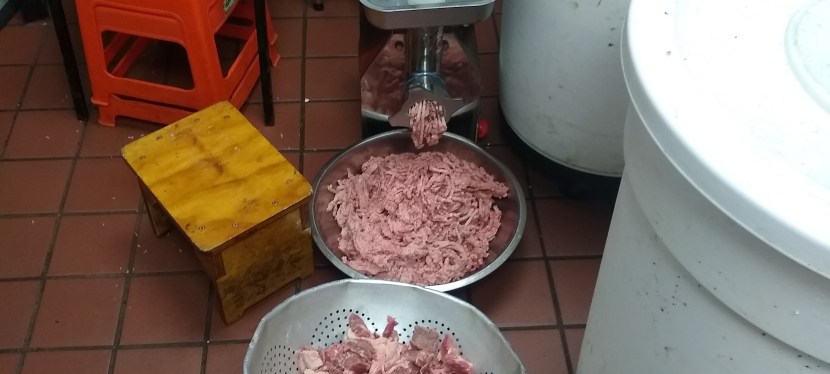
What Caused the Salmonella Outbreak in Texas?

Since our last update regarding the Salmonella outbreak, the CDC has finally identified the culpable food item — raw onions.

Of the 808 people infected with Salmonella Oranienburg throughout the country, 23% were from Texas, by far the most of any state.

Sick people range in age from less than 1 year to 101 years, with a median age of 37, and 57% are female. Of 505 people with information available, 31% have been hospitalized.

Please read the FDA’s recall notice for red, yellow, and white onions imported from the State of Chihuahua, Mexico between July 1, 2021 and August 31, 2021. Read more

UPDATE – Salmonella Outbreak in Texas

As of October 14, 2021, 149 TEXANS have been infected with Salmonella Oranienburg according to the CDC.

This is the most of any state in the country. Unfortunately, the investigation has not yet identified a food linked to the illness.

The CDC also announced that a total of 592 people have been infected with Salmonella Oranienburg from a total of 36 states. Texas accounts for 25% of the infections nationally. Read more

Backflow Prevention

What is backflow?

Simply put, backflow is water flowing opposite of its intended direction, either from a loss of pressure in the supply lines or from an increase in pressure on the customer’s side.

Restaurants and other food establishments require some method of backflow prevention in various areas of the establishment, including at soda stations, ice machines, and dish machines – just to name a few.

Read more

Imminent Health Hazards

Restaurant owners are often surprised when their food establishment gets shut down by a regulatory authority. Restaurateurs and managers often cite that they didn’t think the situation was critical enough to voluntarily close down. Or worse yet, they didn’t even know the health hazard existed.

Understanding what an imminent health hazard is and a restaurant’s responsibility during a serious health hazard is important to the long-term success of a food establishment, not to mention the health and safety of the trusting public.

Read more